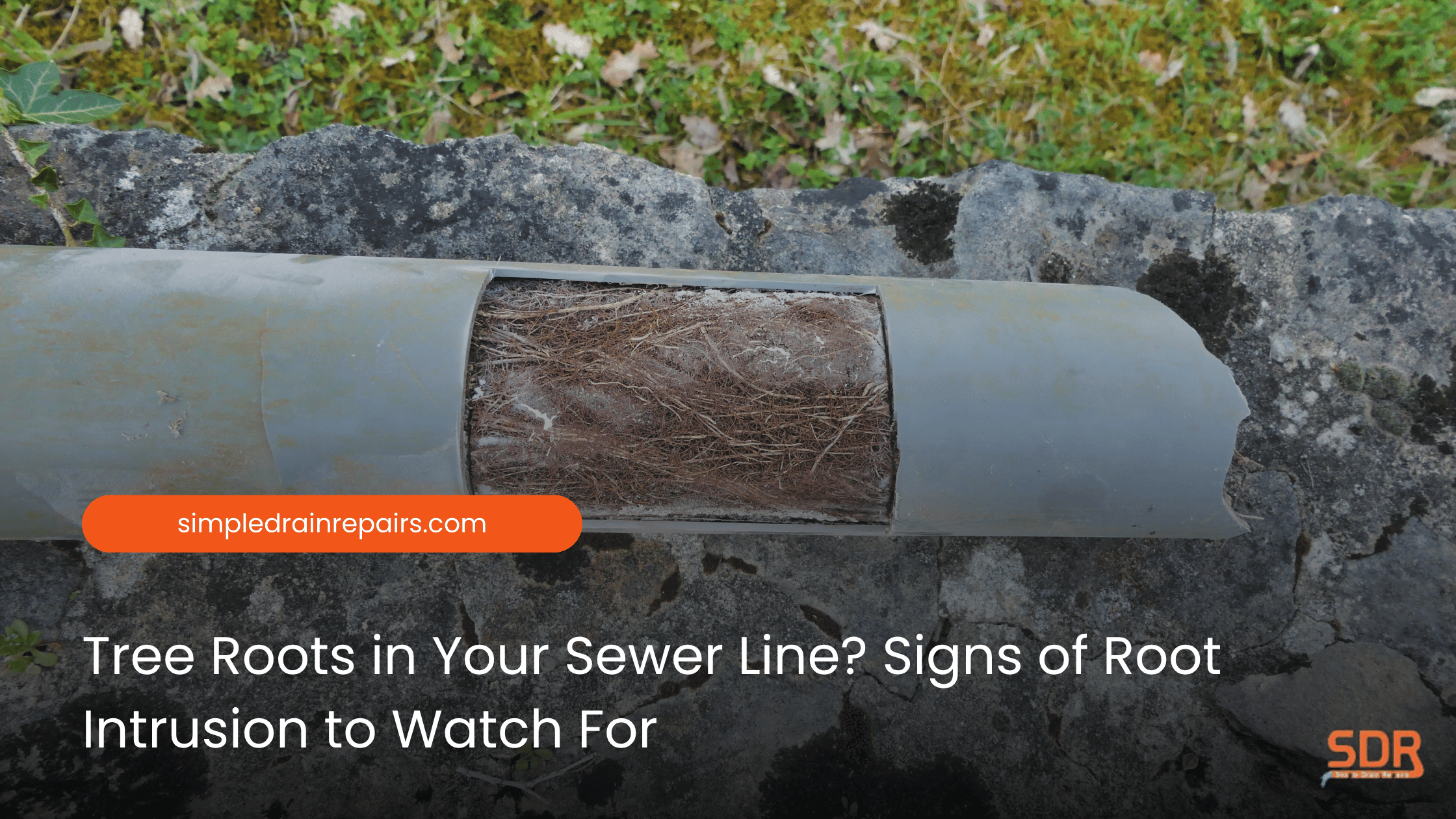
Sewer lines run underground, out of sight, which makes problems difficult to detect until symptoms appear inside the property. One of the most common causes of sewer damage is root intrusion in sewer pipes. Tree roots naturally search for moisture and nutrients, and underground pipes often provide both.
When roots find small cracks or loose joints in sewer lines, they begin to grow inside the pipe. Over time, those roots expand and create blockages that restrict water flow. If left untreated, the intrusion can damage the pipe structure and lead to serious plumbing issues.
Understanding the warning signs of root intrusion in sewer systems helps property owners address the issue early before it turns into a major repair.
Tree roots are constantly growing and spreading through soil in search of water sources. Sewer lines release moisture and nutrients that naturally attract roots. Even the smallest crack or loose joint in a pipe can allow roots to enter.
Once inside, roots continue growing because the environment provides a steady supply of water and organic material. As the roots expand, they trap debris such as toilet paper, grease, and waste particles moving through the pipe.
This buildup gradually narrows the pipe and slows drainage. In severe cases, the roots can completely block the line or cause the pipe to crack and collapse.
Root intrusion in sewer systems often develops slowly, which means many property owners notice warning signs before a full blockage occurs.
Root intrusion rarely happens overnight. In many cases, the sewer line shows several warning signs before the problem becomes severe.
These symptoms often indicate something obstructing the pipe. When roots are involved, the problem usually continues to worsen as the roots grow larger.
Professional inspection can confirm if root intrusion in sewer lines is the cause of these issues.
When roots grow inside a pipe, they create more than a simple blockage. As the roots thicken, they apply pressure to the pipe walls and joints. This pressure can cause cracks to widen and allow more roots to enter the line.
Over time, several types of damage may occur:
These issues often require more than basic drain cleaning. Addressing root intrusion in sewer systems may involve removing the roots and repairing the damaged pipe.
Because sewer lines are buried underground, identifying the exact problem requires specialized equipment. Plumbers often begin with a video camera inspection that allows them to view the inside of the pipe in real time.
A small waterproof camera is inserted into the sewer line through a cleanout or drain opening. As the camera moves through the pipe, technicians can see root growth, cracks, and blockages clearly.
This inspection helps determine how severe the root intrusion is and what type of repair may be needed.
Camera inspections also help locate the exact area where roots entered the pipe, which allows technicians to plan the most effective solution.
Once roots are identified, several methods can be used to clear the pipe and restore flow. The best approach depends on the severity of the intrusion and the condition of the pipe.
These techniques remove existing roots and help protect the pipe from further intrusion.
However, if the pipe has been severely damaged, more extensive repairs may be required to restore the system fully.
Even after roots are removed, they may return if the pipe still contains cracks or gaps. Roots will continue searching for water sources, and damaged sewer lines remain an attractive target.
For this reason, addressing the structural condition of the pipe is an important part of solving the problem long term. Repairs such as pipe lining can seal joints and cracks that allowed roots to enter.
Regular sewer inspections also help identify new root growth before it becomes severe again.
While tree roots are a natural part of landscaping, careful planning can reduce the risk of sewer line problems. Planting trees at a safe distance from underground plumbing helps prevent roots from reaching the pipes.
Routine sewer inspections and preventative maintenance also allow professionals to detect early root activity before it causes serious damage.
By addressing minor issues early, property owners can reduce the likelihood of major sewer repairs in the future.
Recurring clogs, slow drains, and sewer odors often point to deeper problems inside the plumbing system. Root intrusion in sewer lines is a common cause of these issues, and it tends to worsen as roots continue to grow.
Acting quickly allows professionals to inspect the sewer line, identify the source of the blockage, and restore proper drainage before significant damage occurs.
If you notice signs of sewer trouble, experienced technicians can evaluate the system and recommend the right steps to keep your plumbing working properly. The team at Simple Drain Repairs provides professional sewer inspections, diagnostics, and repair services to help property owners address sewer line issues before they become major problems.