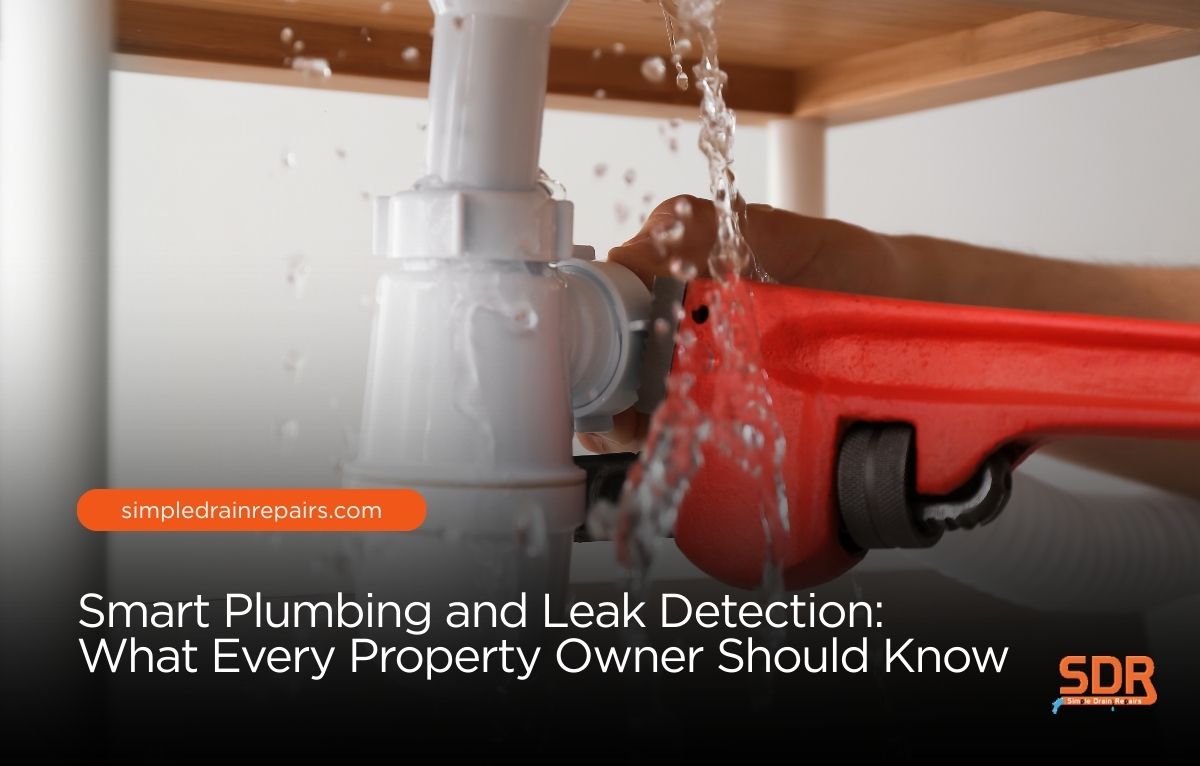
Leaks and water damage cause major issues in homes and commercial buildings, often without warning.
With the growth of connected devices, many property owners are using technology to monitor water use and catch leaks before they cause damage. Smart plumbing and leak detection systems help detect problems early, giving people a clearer view of what’s happening in their pipes.
These systems use sensors to detect flow changes, pressure drops, or moisture where it shouldn’t be. They send alerts when there’s an issue, helping prevent structural damage, mold, or flooding.
While not all properties have these systems in place, understanding how they work can help you respond faster when plumbing issues arise. If you’re curious about how smart plumbing and leak detection systems function—and how traditional plumbing professionals fit into the picture—this breakdown can help.
Smart plumbing includes tools like flow monitors, leak sensors, and water shut-off valves that connect to phones or home systems. These devices track water usage in real-time and identify unusual activity. Some can even stop water flow automatically if a leak is detected.
Smart plumbing systems are often placed at the water main or under appliances. Many are used to monitor areas where water damage can go unnoticed, like basements, crawl spaces, or behind walls.
They provide data, peace of mind, and better response time for homeowners. But most important, they help identify when to call a plumber before things get worse.
Leak detection sensors come in various forms. Some are moisture-sensitive pads placed on floors. Others are high-tech meters connected to the water main. Either way, the goal is the same: spot problems before they become emergencies.
These systems identify:
When a sensor picks up an alert, it usually sends a notification to your phone. This allows homeowners or building managers to take action immediately, often by contacting a plumbing specialist for further inspection.
Even if you don’t currently have a smart plumbing system installed, being familiar with how they work can help you respond better to signs of trouble. For instance, if a smart sensor reports a drop in pressure or moisture buildup near a pipe, the next step often involves a professional inspection or repair.
This is where plumbing experts play a role. They use tools like high-resolution video inspections and trenchless repair methods to find and fix the source of the problem quickly.
Having a smart plumbing and leak detection system helps you notice problems earlier. But it’s the trained plumbing team that locates and fixes the damage.
Knowing how leak detection systems work is especially useful for:
Leaks that go unnoticed can lead to mold growth, damaged flooring, or even foundation problems. Smart devices help detect warning signs early, but resolving them still requires expert tools and experience.
If a leak is detected—either by a smart device or based on symptoms you’ve noticed—the next step is typically an in-depth inspection. This might involve:
Depending on what’s found, trenchless pipe repair or lining might be used to fix the issue with minimal disruption to the property.
While smart plumbing and leak detection systems are useful, they aren’t required to catch plumbing issues early. Routine inspections and being aware of symptoms—like slow drains, unexplained moisture, or foul odors—can be just as effective when paired with quick action.
Plumbers who offer camera inspections and diagnostic services can often catch developing problems before they escalate. Even without a sensor system in place, professional tools and experience remain the most accurate way to confirm and resolve hidden plumbing issues.
Understanding how smart plumbing and leak detection systems work helps property owners make better decisions when signs of a leak appear. These systems are valuable tools for early warning, but professional services are still key to solving the root issue.
If you’ve experienced repeat clogs, unexplained odors, or moisture buildup, it might be time to schedule an inspection. Simple Drain Repairs offers detailed video camera inspections, trenchless pipe lining, and expert diagnostics to help you act quickly and avoid serious plumbing damage.