Stormwater drainage systems play a critical role in protecting properties from flooding and water damage. These underground pipes move rainwater away from buildings, parking areas, and landscaped spaces so that water does not collect where it can cause structural or soil damage. Most of these systems remain hidden beneath the surface for decades, which means problems can develop without immediate notice.
Over time, natural wear and environmental conditions begin to affect drainage performance. Pipes that once carried large volumes of rainwater efficiently may start to weaken, crack, or shift underground. When that happens, stormwater pipe repair becomes necessary to restore proper drainage and prevent flooding, erosion, and infrastructure damage.
Understanding how drainage systems age helps property owners recognize why repairs are sometimes unavoidable and why early attention can prevent more serious problems.
Stormwater pipes operate in demanding conditions. They remain buried underground where soil pressure, moisture, temperature changes, and shifting ground constantly affect the structure of the pipe. Even when installed correctly, these environmental factors slowly weaken materials.
Metal pipes are particularly vulnerable to corrosion. Water and minerals gradually wear down the interior of the pipe, reducing its thickness and strength. Over many years, corrosion may create holes or cause sections of the pipe to collapse.
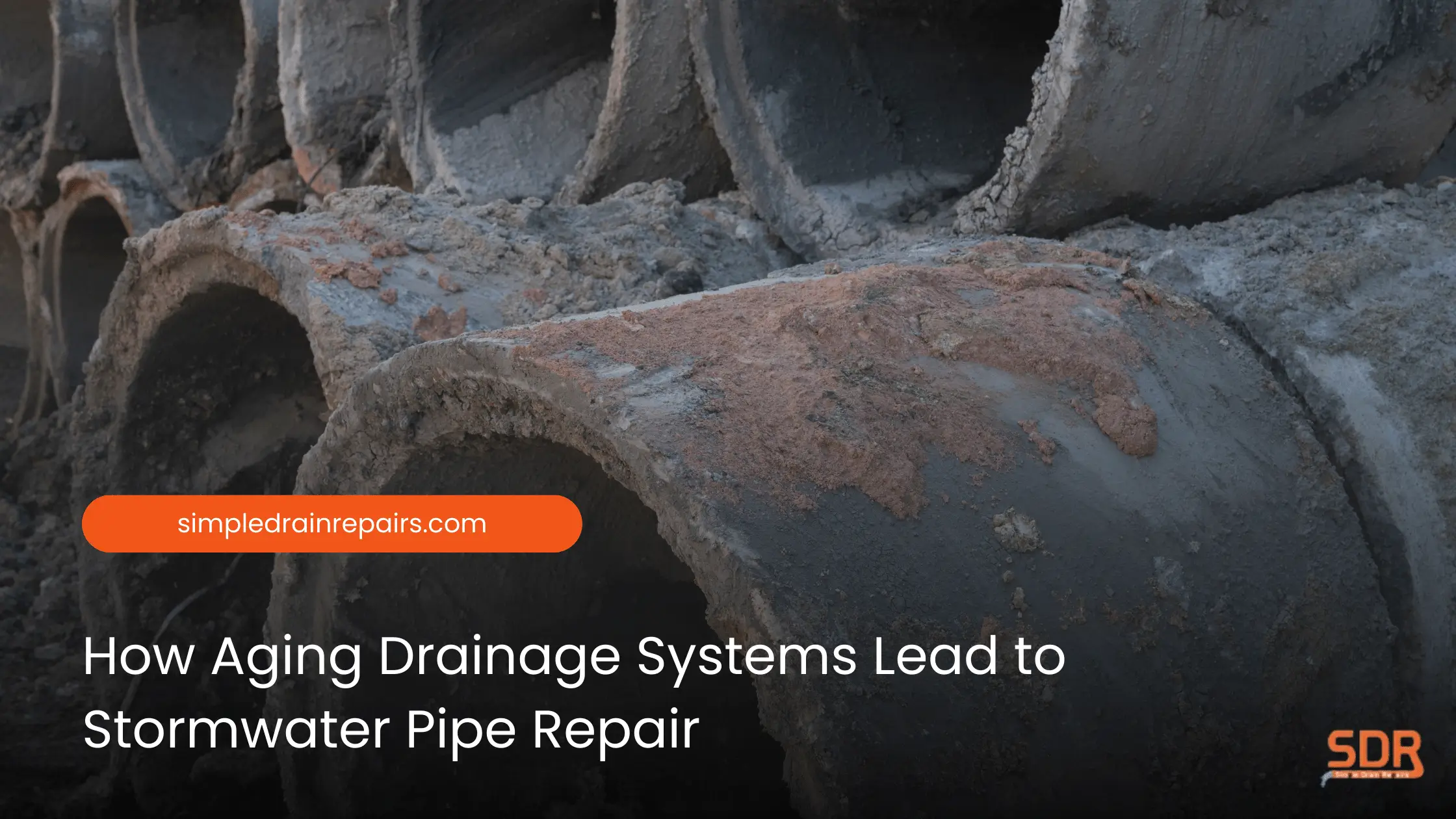
Concrete pipes also face long-term deterioration. Continuous exposure to water can cause small cracks to develop along the pipe walls. As these fractures grow, soil and debris may enter the pipe and restrict the flow of stormwater.
Plastic pipes resist corrosion, but they can still be affected by soil movement or heavy loads from vehicles or construction activity above ground. When the surrounding soil shifts, pipes can bend or separate at their joints.
These gradual changes explain why stormwater pipe repair is often required years after a drainage system was originally installed.
Drainage systems rarely fail without warning. Many early signs appear before a pipe collapses completely. Recognizing these signals can help property owners address issues before they lead to flooding or costly repairs.
Common indicators include:
These symptoms often indicate that an underground pipe has developed a crack, blockage, or structural weakness. When these issues are identified early, stormwater pipe repair may be simpler and less disruptive.
Tree roots are one of the most common causes of damage in older stormwater drainage systems. As trees grow, their roots spread underground in search of moisture. Stormwater pipes often contain small amounts of water, which naturally attracts nearby roots.
Roots can enter pipes through tiny cracks or pipe joints. Once inside, they expand and create blockages that reduce water flow. As roots grow thicker, they can widen cracks and place pressure on the pipe walls.
In many cases, root intrusion eventually leads to stormwater pipe repair because the structural integrity of the pipe becomes compromised. Removing the roots may restore temporary flow, but damaged pipes often require professional repair to prevent the problem from returning.
The soil surrounding a drainage system is constantly changing. Moisture levels, temperature shifts, and natural ground settling can cause soil to expand or contract over time. These gradual changes place stress on buried pipes.
When soil moves, pipes may shift slightly out of alignment. Joints can separate and create openings where soil enters the pipe. Once soil accumulates inside the pipe, it restricts water flow and places additional pressure on the structure.
Heavy construction activity can also affect underground drainage systems. Vibrations from machinery or increased weight above the pipe may contribute to cracks or structural weakening.
These conditions make regular inspection important for aging drainage systems. Identifying alignment issues early can help prevent severe damage that requires extensive stormwater pipe repair.
When drainage pipes deteriorate, professionals evaluate the condition of the pipe before selecting the best repair method. Camera inspections are commonly used to view the inside of the pipe and locate cracks, blockages, or collapsed sections.
Several repair methods may be used depending on the situation:
These solutions allow professionals to restore proper drainage while minimizing disruption to surrounding areas.
Although aging pipes eventually require repair, routine maintenance can extend their lifespan significantly. Regular inspections help identify small cracks, root intrusion, or blockages before they develop into major structural failures.
Cleaning debris from storm drains and catch basins ensures that rainwater flows freely through the drainage system. Removing sediment buildup inside pipes also prevents pressure from building within the system.
Property owners should also consider landscaping placement. Large trees planted directly above underground drainage lines increase the risk of root intrusion over time.
While maintenance cannot completely stop the aging process, it can slow deterioration and reduce the need for major stormwater pipe repair.
Delaying drainage repairs often allows small issues to grow into larger problems. A small crack in a pipe may allow soil and debris to enter, which eventually leads to blockages or pipe collapse.
When drainage systems fail completely, water may pool around foundations, roads, and landscaping. This can lead to erosion, structural damage, and costly property repairs.
Addressing pipe damage early helps protect surrounding infrastructure and ensures that stormwater continues flowing safely away from the property.
Stormwater drainage systems operate quietly beneath the surface, yet they play a vital role in protecting properties from water damage. As these systems age, environmental conditions gradually weaken pipes and affect drainage performance.
Recognizing the warning signs of aging infrastructure helps property owners address issues before they become major failures. Professional inspection and timely stormwater pipe repair can restore proper drainage and extend the life of underground systems.
If you notice drainage problems around your property or suspect an issue with your underground stormwater system, our team at Simple Drain Repairs can evaluate your drainage infrastructure and recommend the right solutions to keep water flowing safely away from your property.