
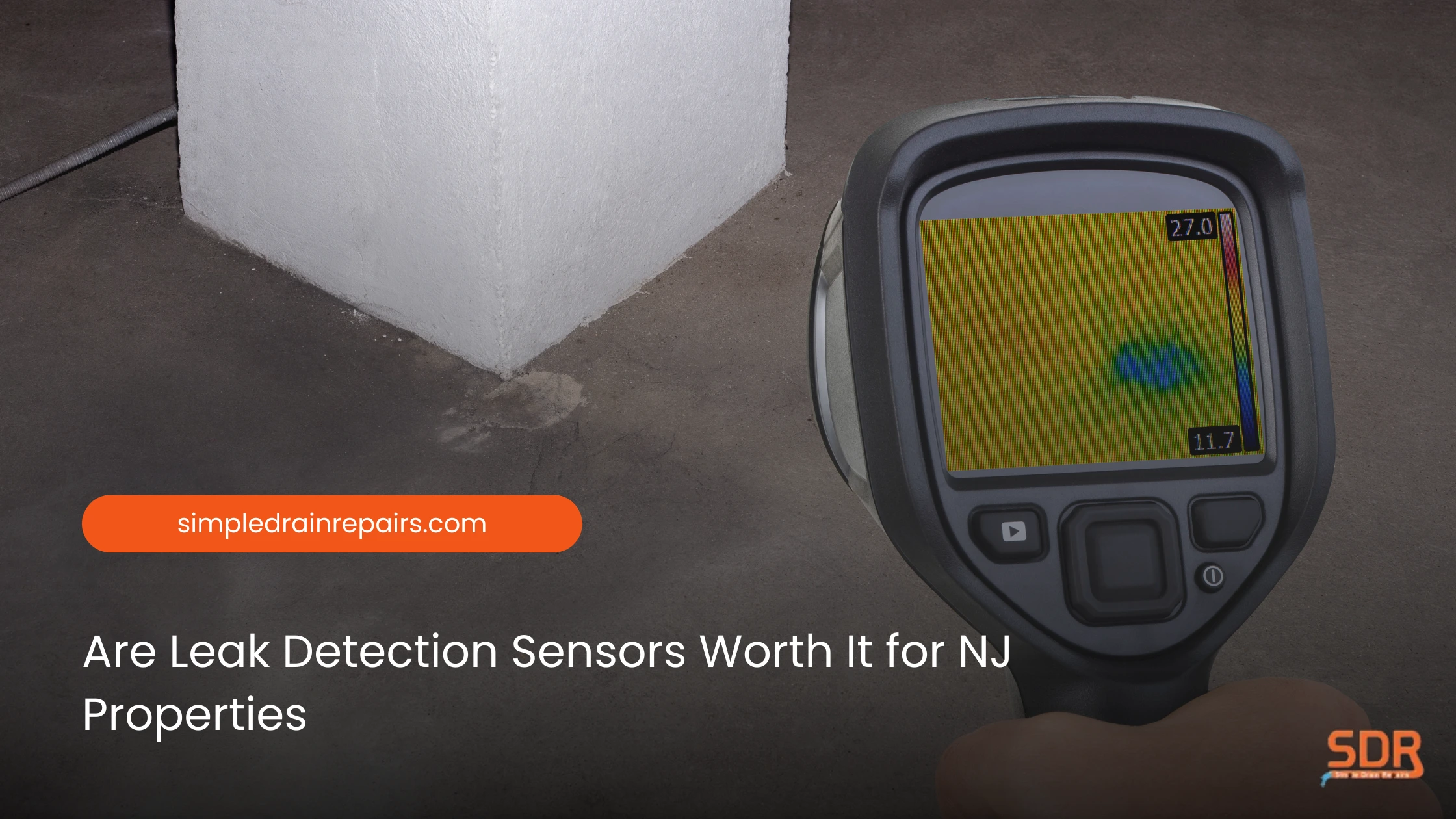
Water damage is one of the most common and expensive problems for property owners across New Jersey. A slow leak under a sink or a hidden pipe issue in the wall can quietly rack up thousands of dollars in repairs before it’s even noticed.
That’s where leak detection sensors come in. These devices are designed to catch the problem early, often before there’s any visible sign of trouble. But are leak detection sensors really worth it for NJ homes and buildings?
Smart water management is no longer limited to commercial buildings or high-tech new construction. With the rise of affordable, Wi-Fi-connected options, more homeowners are exploring this preventive technology. The question is not just about price—it’s about value, and the kind of protection you want for your property.
Leak detection sensors monitor moisture levels and alert you when water appears where it shouldn’t. They can be placed near appliances, under sinks, around water heaters, and in basements. Some models trigger alerts through an app or email. Others go a step further by automatically shutting off the water supply.
These sensors are available as single-point monitors or as part of integrated whole-home systems. More advanced options connect with smart home hubs and can provide ongoing updates on humidity, temperature, or flow rate. This allows for proactive maintenance and instant action when a problem starts.
Beyond early warnings, these systems offer several key advantages that make them appealing to New Jersey property owners:
Leak detection sensors offer value across different types of properties, but certain situations make them especially practical. Older homes with aging plumbing are high on the list, especially when combined with finished basements or properties that sit vacant for long periods.
Locations in the state that experience frequent freeze-thaw cycles or multi-unit residential buildings also benefit from added monitoring. These factors all increase the risk of hidden leaks and delayed response time. Having sensors in place adds an extra layer of monitoring that works 24/7.
Beyond early warnings, these systems offer several key advantages that make them appealing to New Jersey property owners:
Leak detection sensors offer value across different types of properties, but certain situations make them especially practical. Older homes with aging plumbing are high on the list, especially when combined with finished basements or properties that sit vacant for long periods.
Locations in the state that experience frequent freeze-thaw cycles or multi-unit residential buildings also benefit from added monitoring. These factors all increase the risk of hidden leaks and delayed response time. Having sensors in place adds an extra layer of monitoring that works 24/7.
Many leaks don’t happen in the open. Instead, they start small in areas that aren’t checked often. Common problem areas include behind washing machines and dishwashers, under kitchen and bathroom sinks, and next to water heaters and sump pumps.
Other vulnerable spots are near HVAC units, boiler systems, and inside crawl spaces or utility closets. Putting sensors in these locations gives you the best chance of catching a problem early before it spreads.
Not all leak detection sensors work the same way. Features vary widely depending on the brand, price point, and how much control you want over the system.
Important considerations include the power source, which could be battery-operated or plug-in; the type of connectivity, such as Wi-Fi or Bluetooth; and how the sensor notifies you—through an app, email, or alarm. Automatic shutoff is another useful feature for systems that control water flow.
Finally, many people look for integration with platforms like Alexa or Google Home, especially if they already use smart home technology. Some units also include temperature sensors to help prevent freezing in colder areas.
While leak detection sensors are highly effective, they are not perfect. They must be placed in the right locations and properly maintained. Sensors won’t detect leaks inside walls unless positioned nearby. In some cases, false alarms may occur from humidity or minor condensation.
Battery life is another factor. Devices that aren’t hardwired require periodic battery checks or replacements. And if Wi-Fi connectivity is unreliable, alerts may not reach you as quickly as needed. Still, for the cost and coverage, many property owners find the tradeoff worth it. The risk of ignoring a leak far outweighs the minor inconvenience of sensor upkeep.
Installing leak detection sensors is a practical investment for homes and businesses throughout the state. From reducing water damage to gaining peace of mind while away, these systems offer reliable protection with minimal setup.
For properties with older plumbing, seasonal temperature swings, or hard-to-access plumbing lines, leak detection sensors in NJ provide added security and cost savings over time.
For those exploring smart leak detection sensors NJ property owners can depend on, the first step is understanding your system and where you might be vulnerable. At Simple Drain Repairs, we help clients across New Jersey protect their properties with advanced plumbing diagnostics, inspections, and solutions designed to stop problems before they start.